What Can Grow in Canadian Zone 1?
Severe subarctic climate. A very short frost-free window of about 2 months. Fast-maturing cool-season crops are the only reliable option.
📅 Planting Calendar for Canadian Zone 1
When to start seeds indoors and transplant outdoors, based on your average frost dates. Actual timing shifts year to year — use these as a starting point, not a fixed schedule.
| Plant | Start Indoors | Transplant Out | Direct Sow | Harvest |
|---|---|---|---|---|
| 🥬 Cabbage | May 4 | Jun 15 | — | Aug 24 – Oct 13 |
| 🌱 Microgreens | — | — | Jun 15 | Jun 22 – Jul 6 |
Dates are averages based on Zone 1 frost dates (last frost: mid-June, first frost: mid-August). Frost can come earlier or later than usual — always check your 10-day forecast before transplanting.
🥦 Vegetables
- 🥬 Cabbage Container OK
- 🌱 Microgreens Easy
⚠️ Worth Trying (Marginal)
These plants are outside the ideal zone range but possible with the right approach.
🗺️ Canadian Plant Hardiness Zones
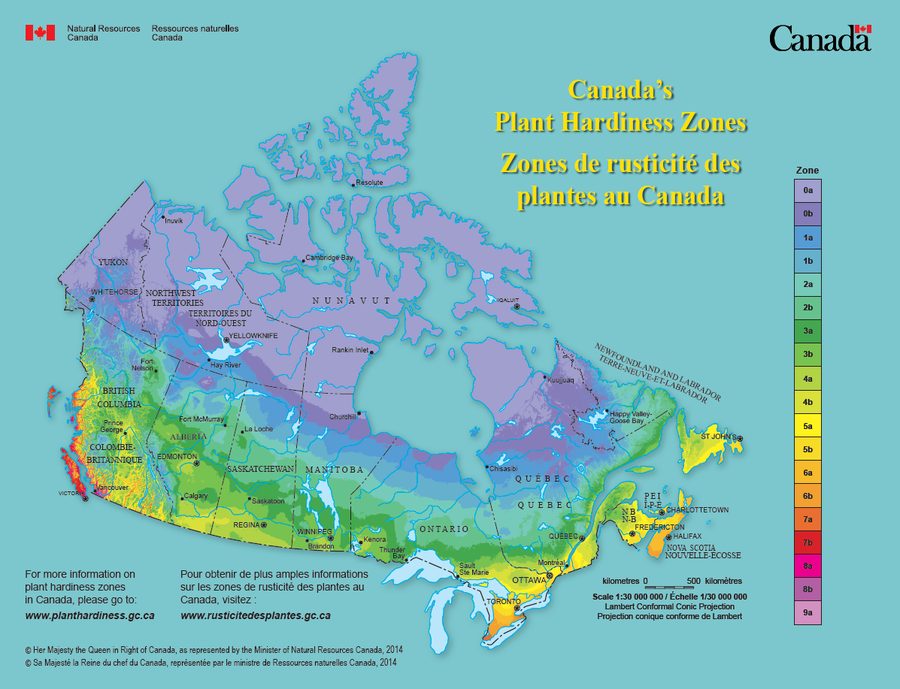
Canadian Plant Hardiness Zone Map (2014) — Agriculture & Agri-Food Canada / Canadian Forest Service
Canadian zones run 0–9 (coldest to warmest) — a separate system from USDA zones. Browse all Canadian zones →
Browse Related Zones
Frequently Asked Questions
Get zone-matched growing tips in your inbox
Free. No spam.
✅ You're in! Check your inbox.
Free. No spam. Unsubscribe any time.